Framing Before Solving
Most meaningful data science problems are not hard because of modeling complexity, but because of unclear framing. I start by understanding what decision truly needs to improve, what constraints matter, and how success should be judged over time. This early clarity helps avoid building solutions that are technically sound but misaligned with real outcomes.
Spending time here often simplifies everything that follows — reducing rework, unnecessary complexity, and systems that optimize metrics without improving decisions.


Designing for Real-World Use
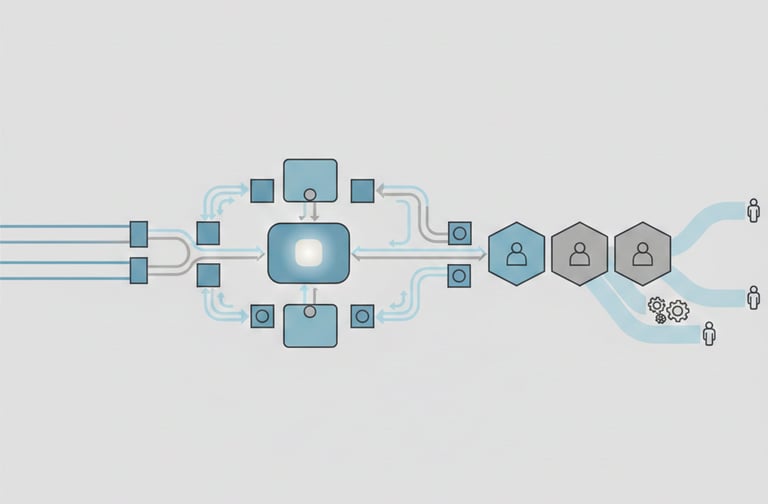
I treat models as part of larger systems, not as isolated artifacts. This means thinking through data flows, assumptions, dependencies, and failure modes so that outputs remain reliable as scale, behavior, and operating conditions change.
Wherever possible, I look for ways to reduce manual effort by embedding intelligence into workflows — allowing systems to surface signals, guide actions, and remain understandable to the people who rely on them. The focus is on stability and clarity, not cleverness.
Keeping Decisions Aligned
Analytical work creates value only when it stays connected to how decisions are made. I work closely with product owners and stakeholders to maintain shared understanding of how systems are behaving, where risks are emerging, and which changes represent opportunity rather than noise.
This often involves shifting teams away from reactive reporting toward earlier indicators and model-informed controls, so actions can be taken before issues show up in outcomes. Clear communication and alignment are as important here as technical depth.



Execution, Enablement, and Scale
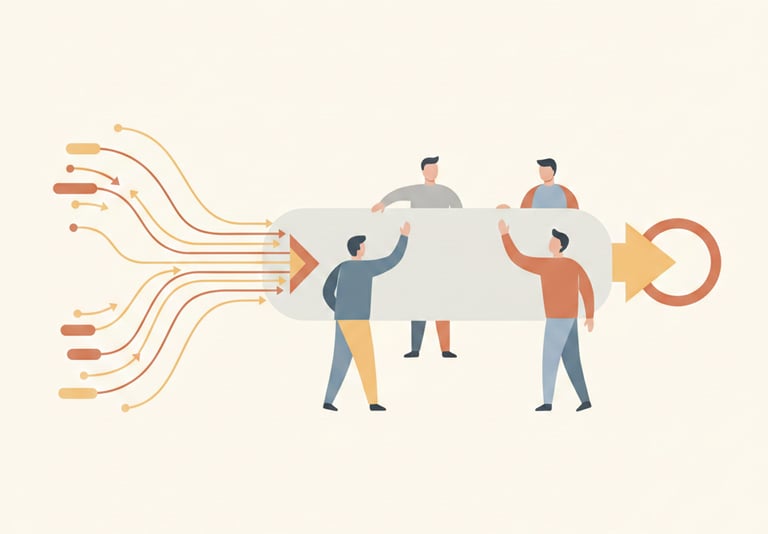
I stay involved across initiatives end to end — breaking down complex problem spaces, shaping solution paths, and translating them into clear, executable steps. Making trade-offs explicit and keeping momentum steady has been a consistent part of my role.
At the same time, I focus on enabling others. Much of my work has involved making advanced analytical methods usable across teams and regions, so capability grows with the system rather than depending on a few individuals. Over time, this approach helps teams move faster, systems become more robust, and organizations handle complexity with greater confidence.